


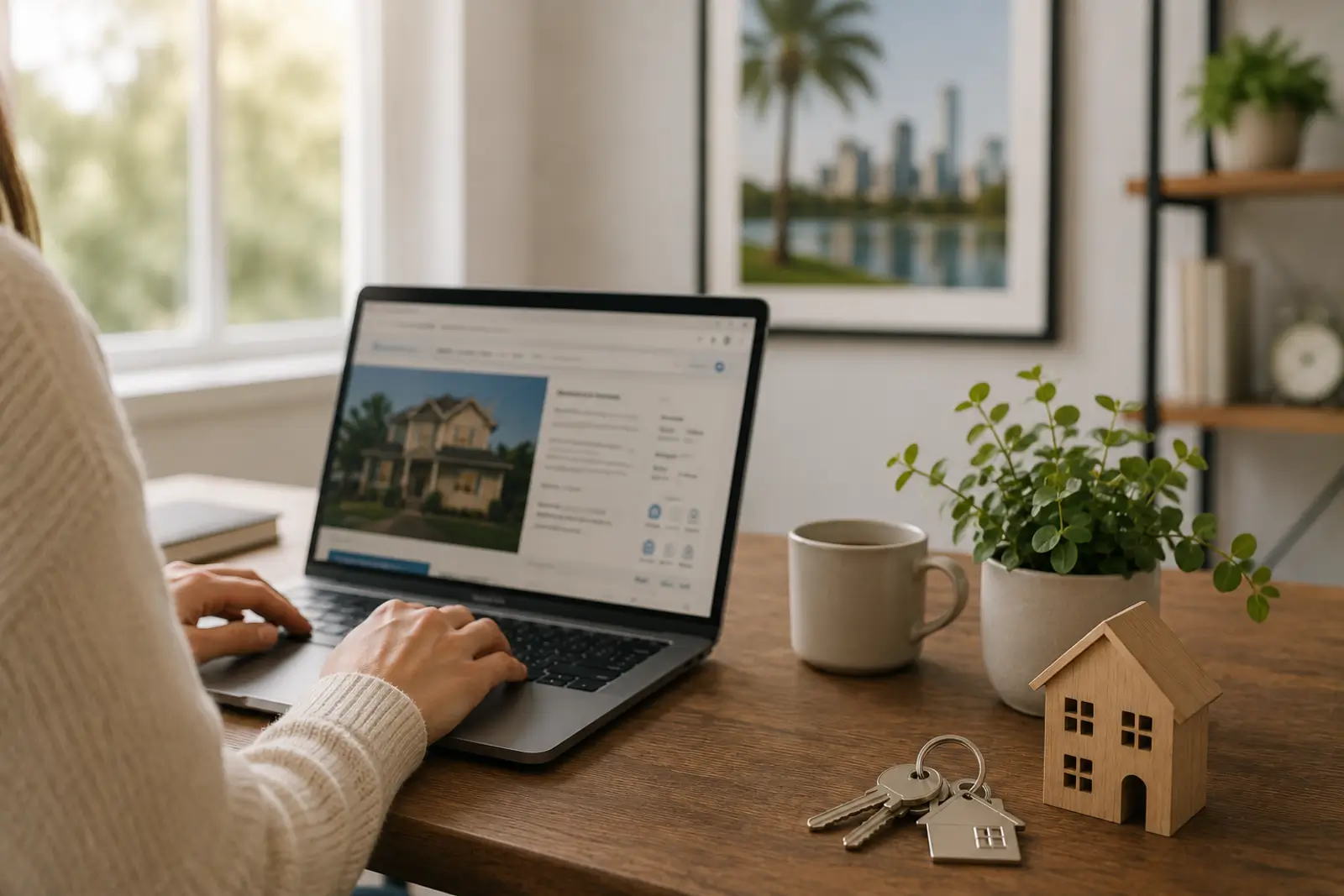
Turning a home into a rental property can create new income opportunities, but first-time landlords often discover there is far more involved than simply listing a property online. Orlando population and housing data continue to reflect an active rental environment, yet pricing mistakes, poor tenant selection, and legal oversights can quickly create expensive problems for inexperienced owners.
Preparing for the responsibilities of landlording before advertising the property can help avoid many common challenges. Orlando owners entering the rental market may also benefit from understanding broader housing trends and how changing renter expectations affect leasing strategies through local tenant demographic trends. Continue reading for a practical guide to renting out a home in Orlando for the first time.
Preparing Your Orlando Home for the Rental Market
Confirming Rental Eligibility and Requirements
Before listing the home, landlords should review HOA restrictions, mortgage requirements, and local rental regulations that may affect leasing eligibility.
Understanding these requirements early helps prevent delays and potential compliance issues later in the process.
Getting the Property Rent-Ready
A rental home should be clean, functional, and safe before showings begin. First-time landlords should inspect major systems, replace damaged items, test smoke detectors, and complete any necessary repairs.
Simple improvements like fresh paint, landscaping, and updated fixtures can also help attract stronger applicants.
Pricing and Marketing the Property Effectively
Setting the Right Rental Price
Pricing a rental property accurately is important for minimizing vacancy while still protecting profitability. Overpricing can reduce interest, while underpricing may leave income on the table.
Landlords should evaluate comparable Orlando rentals, neighborhood demand, and property condition when determining rental rates.
Creating an Attractive Rental Listing
Professional photos and detailed descriptions help listings stand out in a competitive market. Highlighting nearby attractions, commuting convenience, and property amenities can improve visibility among prospective renters.
Marketing the property across multiple online platforms also increases exposure to qualified applicants.
Screening Tenants and Protecting the Investment
Conducting Thorough Tenant Screening
Tenant screening helps first-time landlords reduce financial and operational risks. Income verification, employment checks, rental history reviews, and background screenings all provide valuable insight into applicant reliability.
Selecting qualified tenants often leads to fewer payment issues and stronger lease compliance.
Using a Strong Florida-Compliant Lease
A written lease should clearly explain rental terms, maintenance responsibilities, pet policies, late fees, and occupancy rules.
Clear lease agreements help reduce misunderstandings and establish expectations from the beginning of the tenancy.
Understanding Landlord Responsibilities in Florida
Security Deposits and Legal Compliance
Florida landlords must follow state rules regarding security deposit handling, notices, and return procedures. Understanding Florida landlord-tenant laws is important for avoiding disputes and legal complications.
Landlords should also become familiar with Florida notice requirements and tenant rights before leasing the property.
Maintenance and Ongoing Property Management
Owning a rental property requires ongoing attention after the lease is signed. Routine maintenance, inspections, and prompt communication all contribute to smoother tenant relationships and better property preservation.
Some landlords also evaluate how institutional buyers and large investors are affecting the local rental market when planning long-term investment strategies through evolving Orlando rental trends.
Deciding Whether to Self-Manage or Hire a Property Manager
Self-managing a rental property requires time, organization, and familiarity with Florida rental laws. Many first-time landlords underestimate the workload associated with maintenance coordination, leasing, rent collection, and compliance responsibilities.
Professional property managers can help simplify operations while reducing stress and administrative burdens for owners.
FAQs
1. What should first-time landlords do before listing a rental property?
Landlords should review HOA rules, complete maintenance repairs, confirm rental eligibility, and prepare the property for showings before marketing the home.
2. How do landlords determine the right rental price?
Researching comparable Orlando rentals, neighborhood demand, and property condition can help owners establish competitive rental pricing.
3. Why is tenant screening important for first-time landlords?
Screening helps identify applicants with stable income, positive rental history, and reliable payment habits, reducing the likelihood of future problems.
4. When should a landlord consider hiring a property manager?
Owners who lack the time, legal knowledge, or availability to manage leasing, maintenance, and tenant communication may benefit from professional management support.
Building a Strong Foundation as a New Landlord
Successful rental ownership often comes down to preparation, consistency, and informed decision-making. First-time landlords who take the time to understand pricing, tenant screening, maintenance responsibilities, and Florida rental laws place themselves in a stronger position for long-term success.
Re/Max 200 Realty helps Orlando property owners navigate every stage of the rental process with experienced local guidance and professional management solutions.
Contact us today to learn how expert support can help simplify rental ownership and protect your investment goals.
