

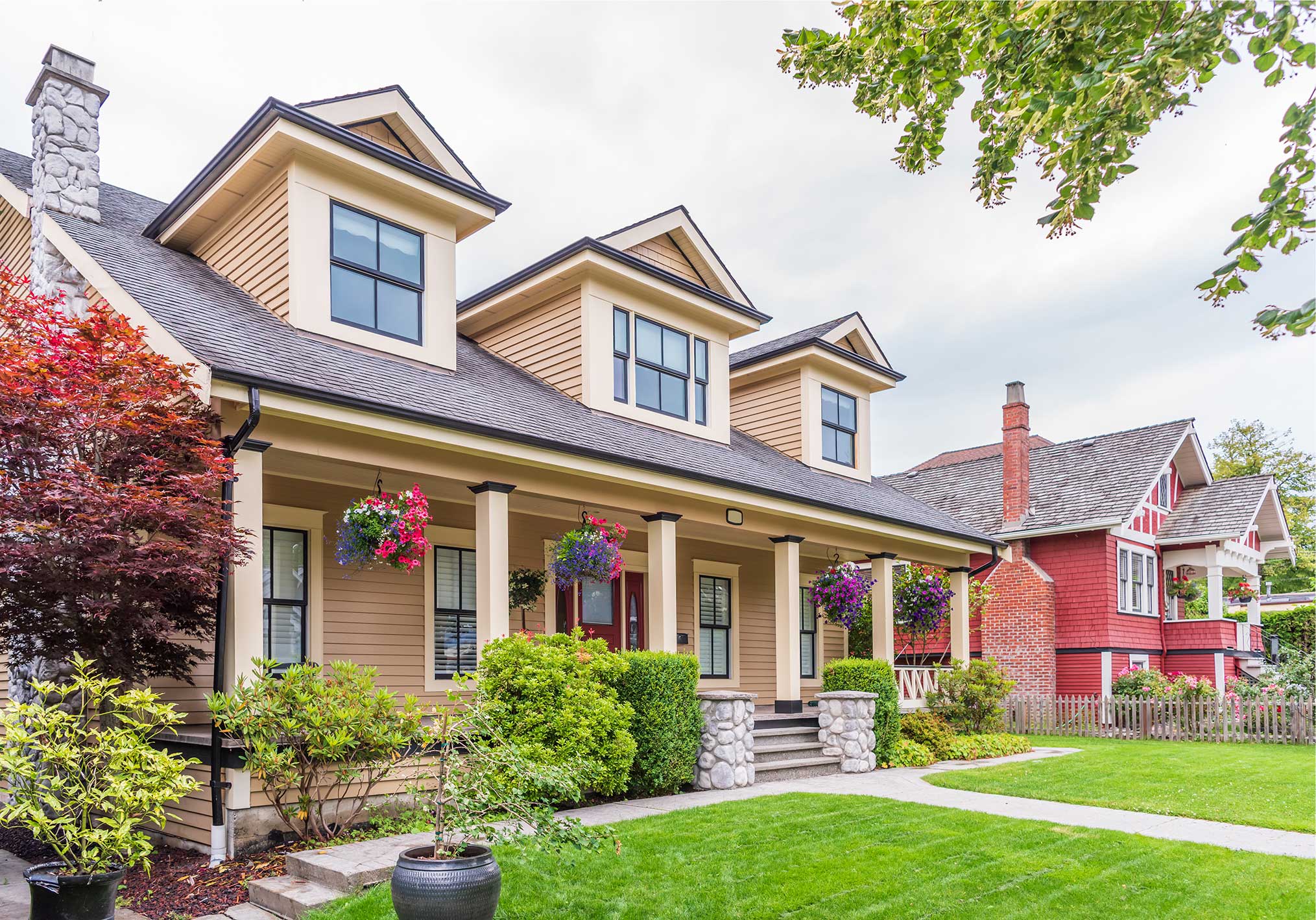

Ask ten property owners in Orlando what "good management" looks like, and you'll get ten different answers, because a single-family home, a condo, and a townhome rarely play by the same rules. Owners who apply one strategy across every property type often run into surprises: a lease that skips HOA disclosures, a maintenance plan that assumes full control over systems an association actually owns, or pricing that ignores how differently each property type competes for tenants.
That's part of why a realtor and property management partnership often catches these gaps early, before they turn into bigger problems. The real starting point isn't picking a management style and applying it everywhere. It's letting the property itself shape the approach.
Legal Rules, Lease Terms, and Tenant Fit Differ by Property Type
Single-family homes, condos, and townhomes each come with distinct legal and lifestyle expectations, and those differences should shape the lease before a tenant ever signs it.
HOA and Lease Considerations by Property Type
Condos and many townhomes come with an association layer that single-family homes simply don't have. That layer typically includes:
- Approval processes before leasing can begin
- Restrictions on move-in timing and procedures
- Ongoing communication requirements between the owner, tenant, and board
Leases need to reflect this. Parking assignments, community rules, and disclosures vary depending on whether the property is in an HOA or stands on its own. Applying a single-family lease template to a condo without adjusting these details is one of the most common oversights we see.
Living Space and Amenities Shape Tenant Experience
Shared walls change the tenant experience in ways a standalone house doesn't. Condo and townhome renters may deal with noise complaints or shared-entry friction that single-family tenants rarely encounter. Pools, gyms, and clubhouses, meanwhile, become a real draw for applicants choosing between similar units, while single-family tenants are usually drawn to private yards and driveways instead. Matching your marketing and lease language to what actually appeals to each renter type makes a measurable difference in application quality.
Maintenance, Risk, and Turnover Timelines Aren't One-Size-Fits-All
Who owns a repair, how insurance responds, and how quickly a unit turns over between tenants all depend heavily on the type of property being managed.
Who Owns What When Something Breaks
Single-family owners typically carry full responsibility for the structure and every system inside it. Condo and townhome owners often share that load with an association, particularly for:
- Roofs and building exteriors
- Shared mechanical and plumbing systems
- Common-area landscaping and infrastructure
Insurance follows the same pattern. A master policy may cover part of the property, which changes what an owner needs to carry individually. Knowing where that line falls before a claim is filed saves considerable frustration later.
Pricing and Turnaround Differ Too
Rent pricing dynamics also shift with property type. Condos often compete unit-to-unit within the same building, while single-family and townhome rentals compete more on location, layout, and curb appeal. Turnaround time between tenants tends to follow the same divide. Condo and townhome turnovers can be slowed by association approvals, while single-family turnovers are more often held up by exterior or yard work. An experienced property management company accounts for these differences when setting owner expectations from day one.
FAQs
1. Does a condo really need a different lease than a single-family home?
Yes. Condo leases typically need to reference HOA rules, parking assignments, and community disclosures that a single-family lease doesn't require, since tenant violations can result in fines against the owner.
2. Why do condos and townhomes take longer to turn over between tenants?
Association approval steps, such as move-in scheduling or tenant registration, can add time that single-family turnovers don't face. Single-family homes may see their own delays, but those usually stem from exterior repairs.
3. Is insurance handled differently for condos compared to single-family rentals?
Often, yes. A master association policy may cover certain building components, meaning the owner's individual coverage only needs to address what falls outside that policy.
4. How does rent pricing change based on property type?
Condos tend to compete directly against similar units in the same building. Single-family and townhome rentals compete more on location and layout, which changes how each should be priced.
Matching Strategy to Property Pays Off
The owners who get the best results in Orlando's rental market aren't the ones applying the most rules. They're the ones applying the right rules to the right property. A single-family home, a condo, and a townhome each carry their own legal obligations, risk exposure, and tenant expectations. Treating them identically tends to surface gaps at the worst possible time: during a lease dispute, an HOA violation, or a maintenance emergency.
At Re/Max 200 Realty, we built our residential management approach around recognizing those differences from the start because a strategy that fits one property rarely fits them all. If you're ready to see how a tailored approach could work for your rental, reach out to our team today.
